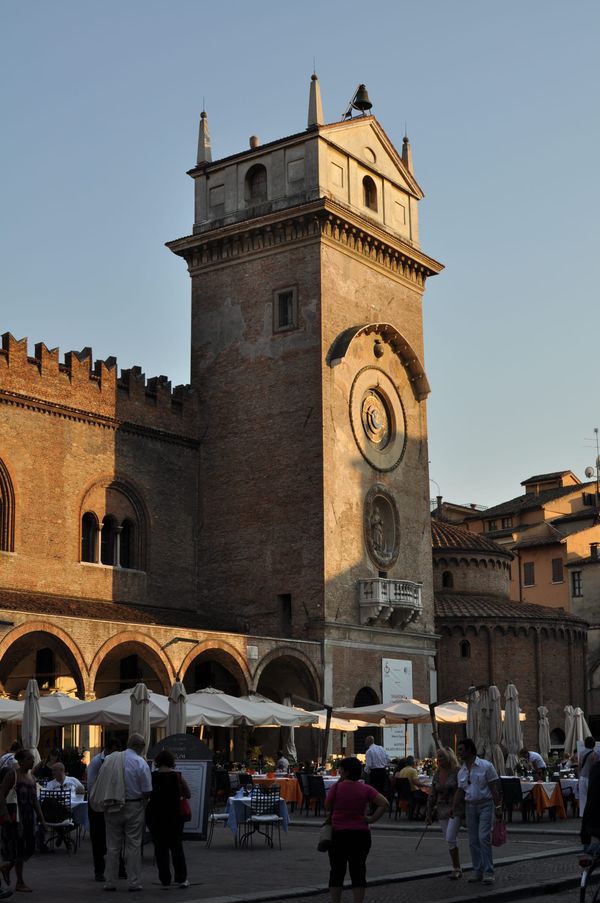
The name I didn't steal
I always thought signing this blog "Giulio Romano" was a small imposture — and that sooner or later I'd have to go to Palazzo Te and settle up with the rightful owner of the name. Then I found out there wasn't one.
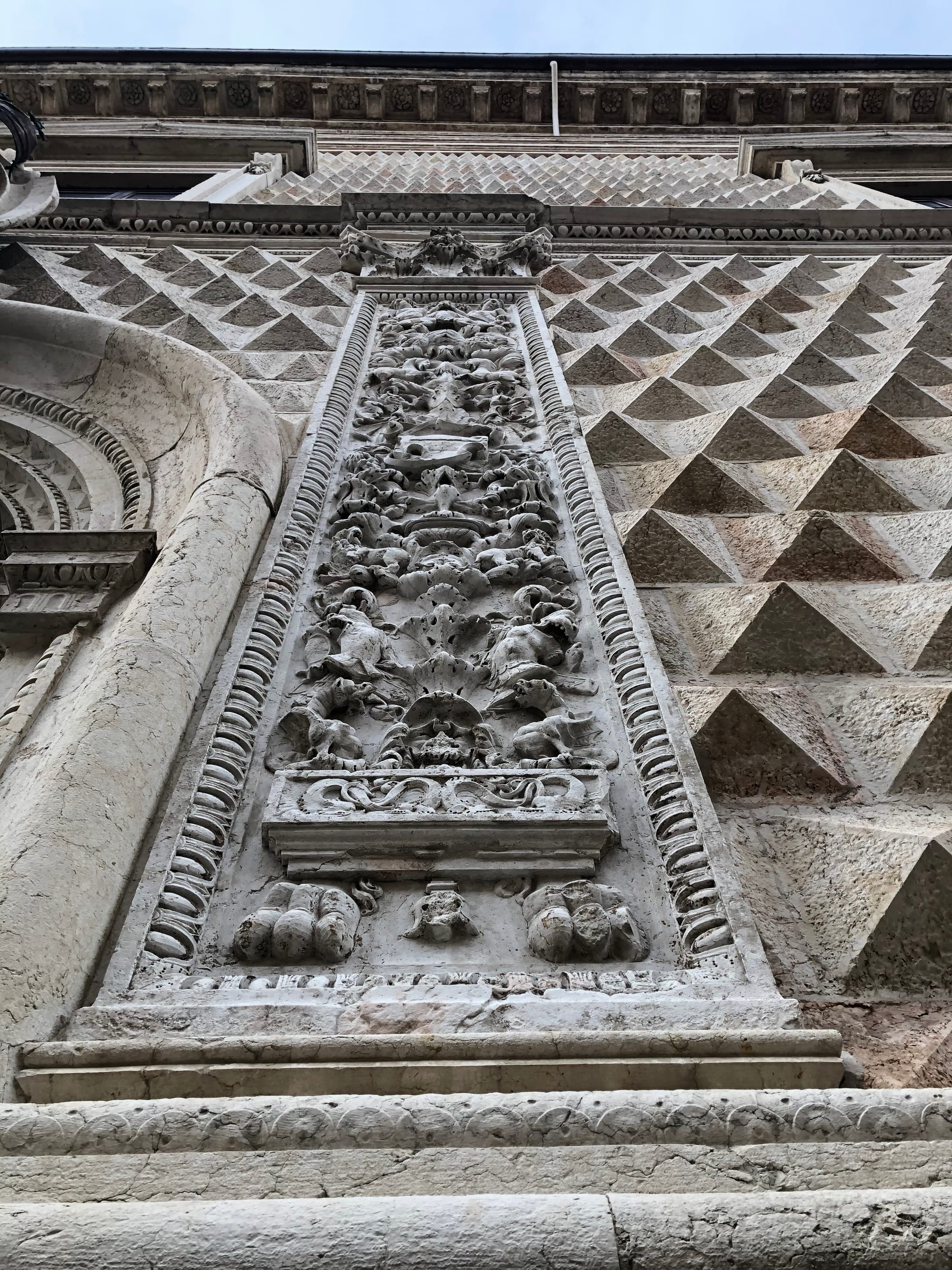
I always thought signing this blog "Giulio Romano" was a small imposture — and that sooner or later I'd have to go to Palazzo Te and settle up with the rightful owner of the name. Then I found out there wasn't one.
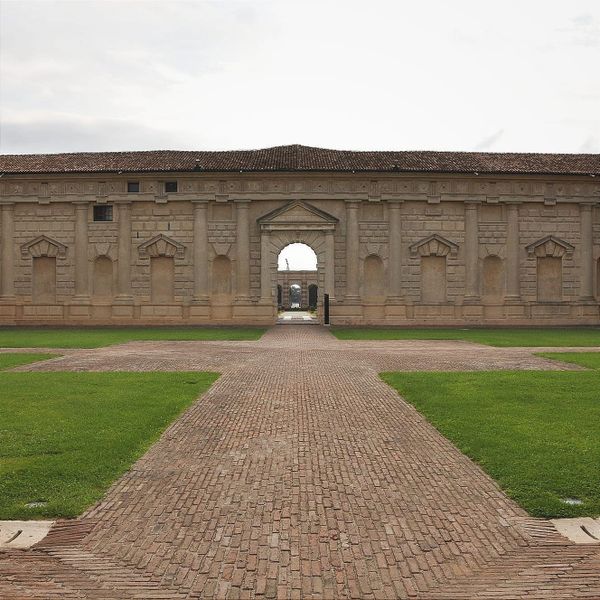
Mantua, empty in mid-August. The facade of Palazzo Te is brick and plaster pretending to be stone, and in the courtyard the triglyphs are slipping out of the frieze. Giulio Romano spent ten years building an order that fails on cue — and had to leave Rome to be allowed to do it.
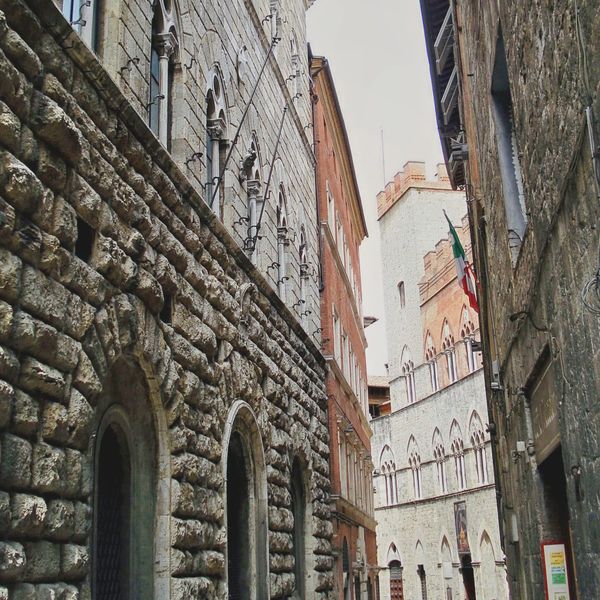
I went to Siena to verify a book, and spent the day proving it right. What I actually remember is the heat, the wine, a steak I can't place — and the girl walking patiently behind me.
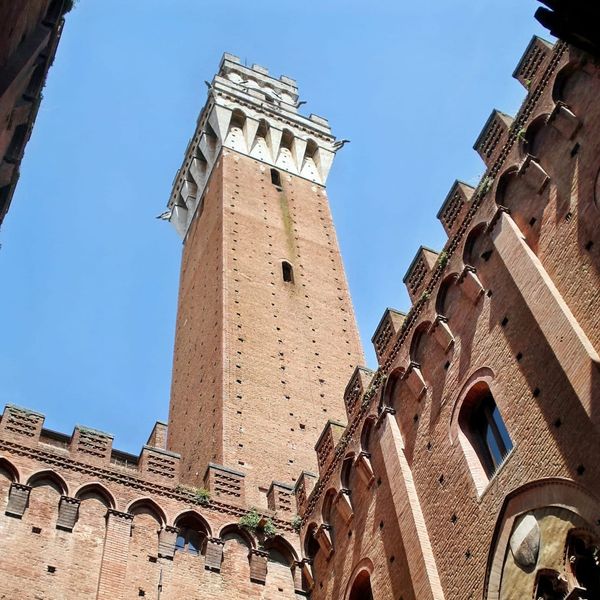
Tuscany's second city, they say — as if that were a ranking that mattered. Siena lost the wars, kept the shape, and built an invisible river to stay alive. Walk it and it doesn't feel like a place that lost anything.
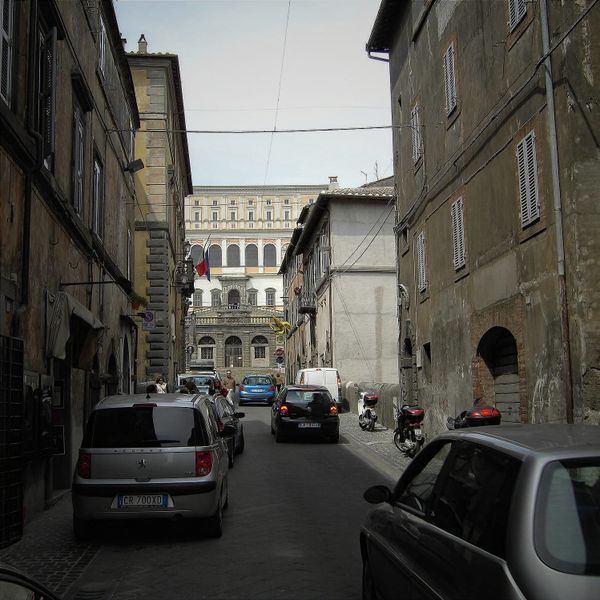
Vignola built a road to make the climb compulsory. Four centuries later, two helmets and a lazy Sunday defeated it. On knowing the right way — and taking the easy door anyway.
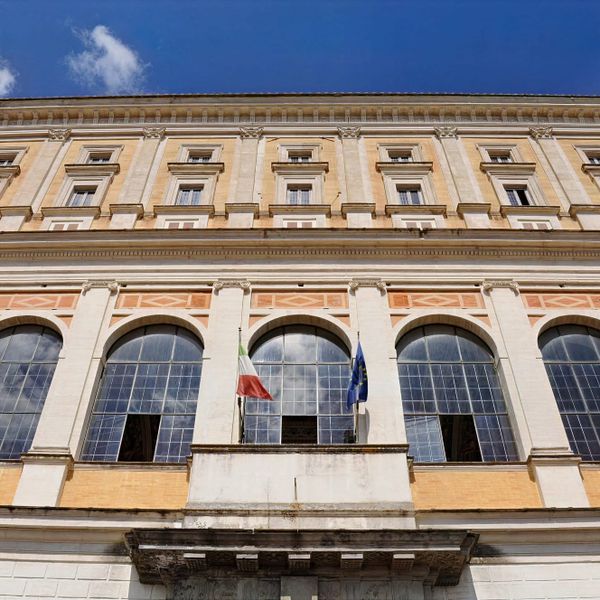
Some places you visit and forget. Others follow you home. The Palazzo Farnese at Caprarola is the second kind — a fortress turned into a palace, and a whole town rebuilt to serve it.
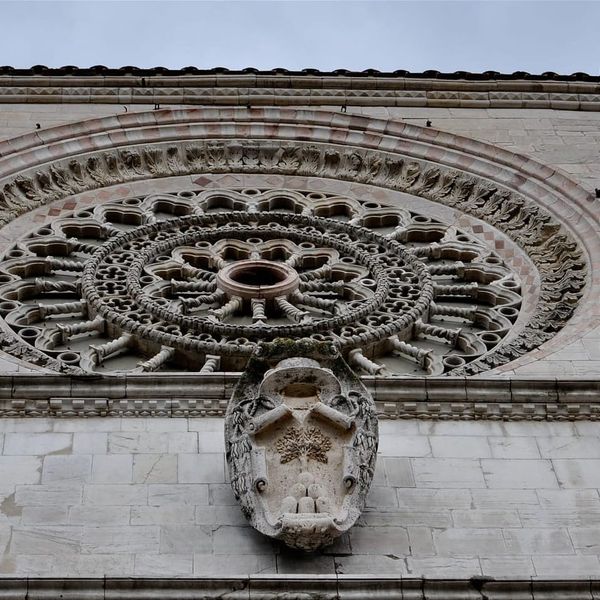
A improvised trip, a suite too big, and a night spent locking every door — after writing a piece about thresholds as invitations. On doors that open and doors that defend.
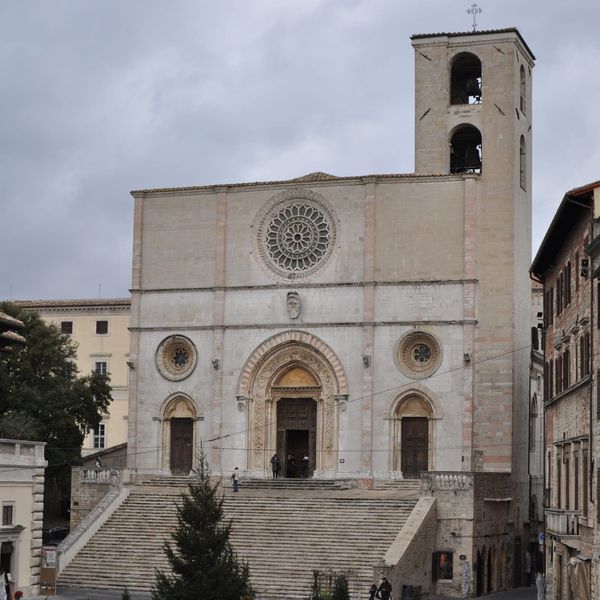
The portal of San Fortunato asks you to stop one second longer. An architect reads Todi — its three walls, its Roman forum, and the doors built to make you pause.
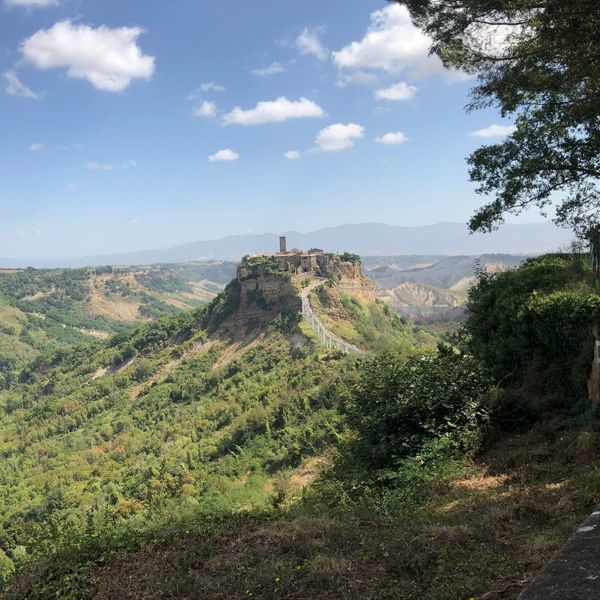
I went back to Civita with my daughter. She ran across the bridge; I walked behind, asking why we keep building bridges toward a city that is disappearing.
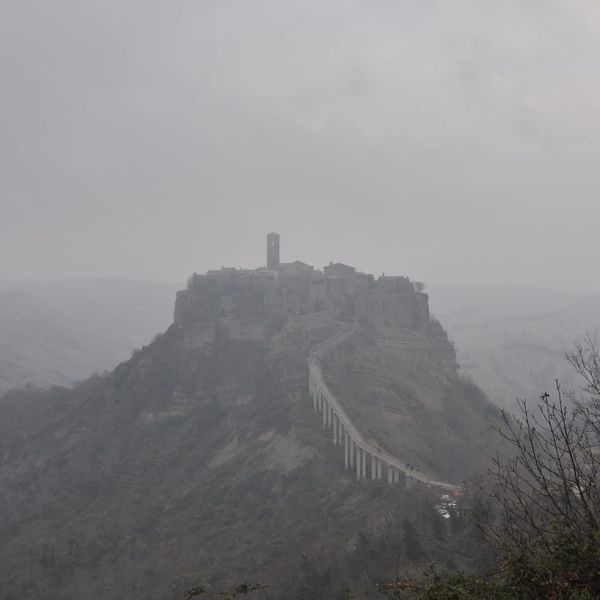
Everyone crosses the bridge to photograph the dying city. Almost nobody asks the real question: why do we keep building bridges to reach a place that is disappearing?
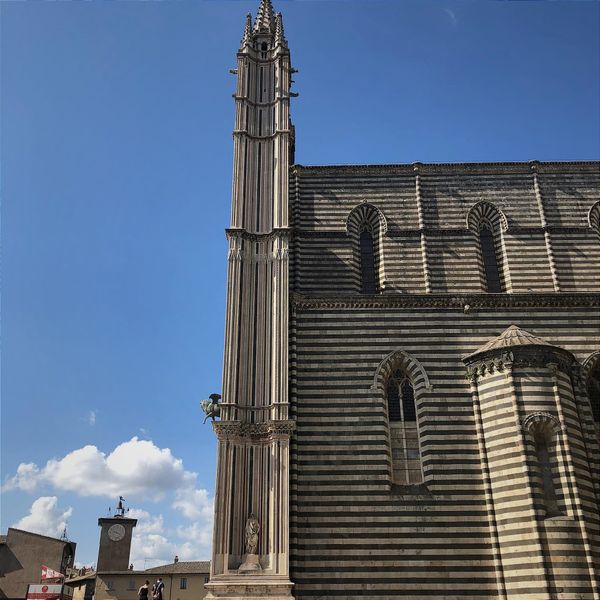
Four visits to Orvieto, and I'd never seen it. Then I took one step to the side — and the whole building changed. On why this blog begins from the wrong angle.
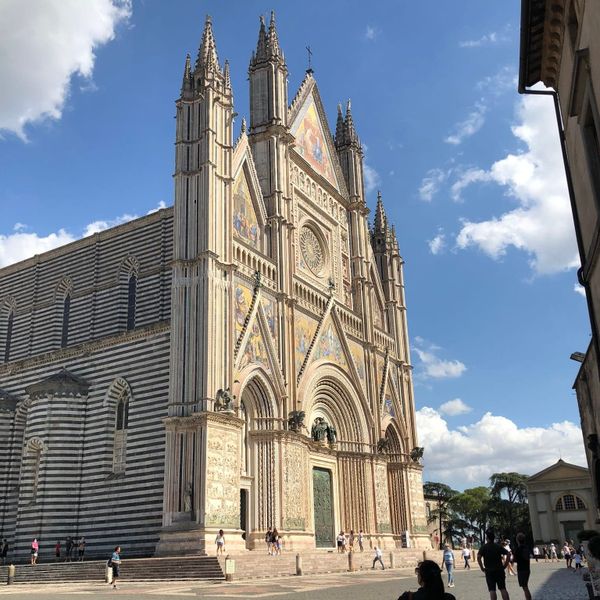
Everyone photographs the golden facade. Almost nobody asks why it's so bright — or what holds it up. An architect's reading of Orvieto's cathedral, from the mosaics to the hidden engineering.